


05 / Jun / 2024
Introduction to Tsum Valley:
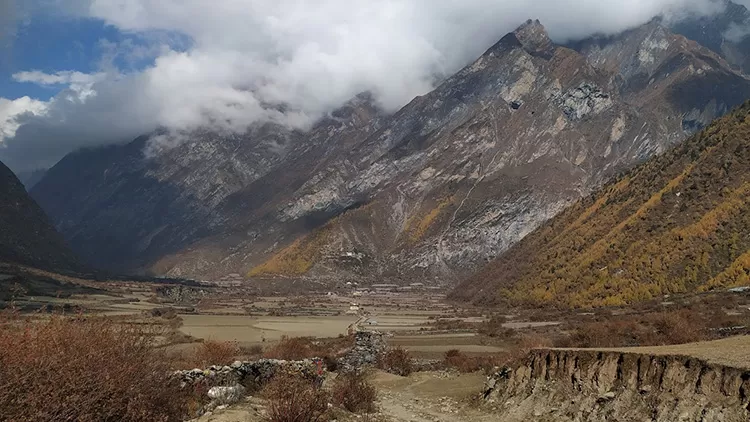
Tsum Valley, situated in the northern Gorkha district of Nepal, is a remote and relatively untouched region renowned for its ecological richness and cultural heritage. Often referred to as one of the last Shangri-La, Tsum Valley stands as a pristine example of a balanced ecosystem. However, the pressures of modern development pose a significant threat to its delicate environmental equilibrium. This article critically examines the environmental importance of Tsum Valley and explores the potential impacts of proposed development projects, highlighting the need for a cautious approach to preserving this unique ecosystem.
The Tsum Valley is a sacred Himalayan pilgrimage site, deriving its name from the Tibetan word ‘Tsombo,’ meaning vivid. Nestled against the majestic backdrop of the Ganesh Himal, Sringi Himal, and Baudha Himal ranges, this serene Himalayan valley is a treasure trove of ancient art, culture, and religion. The local population, primarily of Tibetan origin, speaks a unique dialect (Tsumke) and maintains a way of life deeply intertwined with their environment. The valley's trails are adorned with artistic chortens and lined with mani walls, composed of thousands of stone slabs carved with deities and inscribed with prayers.
A significant cultural landmark is the Kyimo Lung, a pilgrimage circuit in the central Trans-Himalaya, renowned for its centers of learning and meditation. This circuit traverses the Tsum Valley, the Manaslu area in Nepal, and southern parts of Tibet, attracting pilgrims and scholars alike. The valley's long history of Buddhism is evident in its many monasteries and sacred sites, including caves where the Buddhist saint Milarepa is believed to have meditated.
Historically, Tsum Valley was a culturally distinct geographical area known as ‘Tsum Tso Chuksum,’ or thirteen provinces ruled as a single territory. The ancient remains of the Tsum kingdom are still visible today, providing a glimpse into the region's rich past. Due to its remoteness and inaccessibility, Tsum Valley has been largely bypassed by mainstream development, allowing its unique culture to remain remarkably intact.
The valley is drained by the Shiar Khola, which originates from the western glacier of Ganesh Himal and the eastern and southern glaciers of Sringi Himal, eventually joining the Budhi Gandaki at Nyak. Accessible via steep routes from Chumchet and Lokpa, Tsum Valley's geographical isolation has helped preserve its rich biodiversity.
Tsum Valley is also home to unique and historic monasteries, such as Rachen Gumba and Mu Gumba, situated on a picturesque plateau within the valley, and Gumba Lungdang, located at the base of a conical hill against the main slope of Ganesh Himal. These monasteries not only serve as spiritual centers but also as custodians of the valley's cultural and religious heritage.
Biodiversity in Tsum Valley

Picture Credit: Tsering Gyurmey
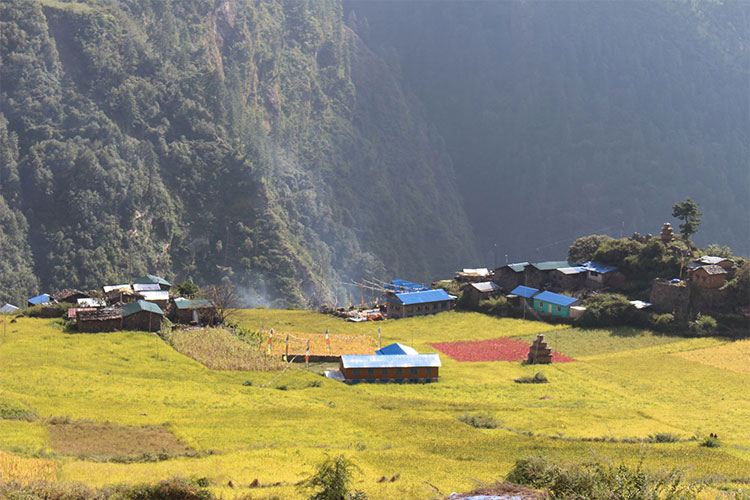
Tsum Valley's biodiversity is remarkable, with its varied topography and climate fostering a rich array of flora and fauna. The valley is home to an impressive variety of wildlife, including iconic species such as the blue sheep (Pseudois nayaur) and the Himalayan tahr (Hemitragus jemlahicus), both of which are crucial for maintaining the ecological balance. Predators like the snow leopard (Panthera uncia) play a vital role in controlling herbivore populations, thereby preventing overgrazing and promoting forest regeneration.
Birdlife in Tsum Valley is equally diverse, with over 110 species recorded. Notable among these are the Himalayan griffon (Gyps himalayensis) and the golden eagle (Aquila chrysaetos), both of which are key indicators of the health of the ecosystem. The valley's forests, composed of species such as juniper, pine, and rhododendron, are critical habitats for these birds and other wildlife, providing shelter, food, and breeding grounds.
The plant life in Tsum Valley is also noteworthy, with a wide range of medicinal plants that have been used by local communities for generations. The preservation of this botanical diversity is essential not only for maintaining ecological balance but also for supporting traditional knowledge and practices that rely on these plants.
Traditional Conservation Practices

Picture Credit: Tsering Gyurmey
The local inhabitants of Tsum Valley have long engaged in conservation practices deeply rooted in their cultural and spiritual beliefs. The principle of "Shyagya," which prohibits hunting, animal slaughter, and unnecessary tree cutting, has been instrumental in preserving the valley's environment. These practices are linked to the valley's status as a beyul, a sacred hidden valley established by Padmasambhava, an 8th-century Tibetan saint. The reverence for all life forms ingrained in the local culture has contributed significantly to maintaining the region's biodiversity and natural beauty.
Agricultural practices in Tsum Valley are characterized by sustainability. The locals engage in terrace farming, growing crops such as barley, maize, and potatoes without heavy reliance on chemical fertilizers and pesticides. This approach helps preserve soil health, prevents water contamination, and supports biodiversity by maintaining a mosaic of habitats.
The integration of conservation practices with everyday life in Tsum Valley highlights the effectiveness of traditional ecological knowledge. The local communities have developed a deep understanding of their environment, enabling them to live in harmony with nature. This balance, however, is fragile and can be easily disrupted by external influences.
Threats from Development
Picture Credit: Tsering Gyurmey
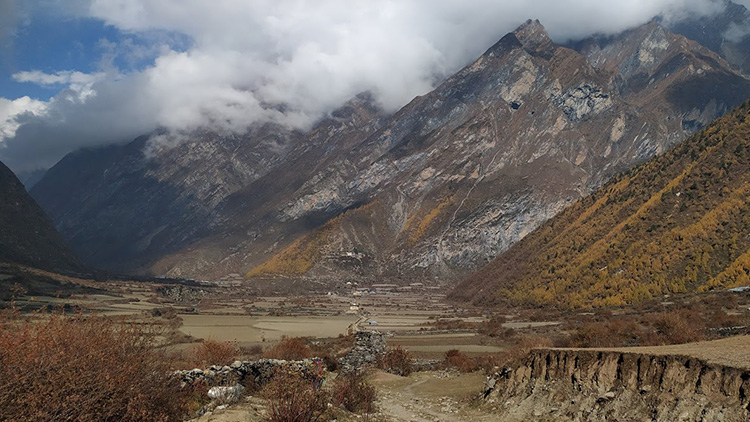
The proposal to construct a new road through Tsum Valley has sparked significant concern among environmentalists and local residents. Proponents argue that improved access could enhance economic opportunities and healthcare for the valley's inhabitants. However, the potential environmental costs are substantial and multifaceted.
Road construction often leads to deforestation and habitat fragmentation, which can have cascading effects on the ecosystem. The loss of forest cover can result in soil erosion, reduced water quality, and decreased biodiversity. Habitat fragmentation can isolate wildlife populations, making it difficult for species to find food, mates, and suitable habitats, ultimately threatening their survival.
Increased accessibility due to road construction could also lead to a rise in human activities such as illegal logging, poaching, and overharvesting of medicinal plants. These activities can deplete natural resources and disrupt the ecological balance that has been maintained for centuries. Furthermore, the introduction of modern infrastructure may alter the traditional ways of life that have so effectively preserved the valley's environment. Watch a documentary on Tsum Valley.
Climate Change Impact
Picture Credit: Tsering Gyurmey
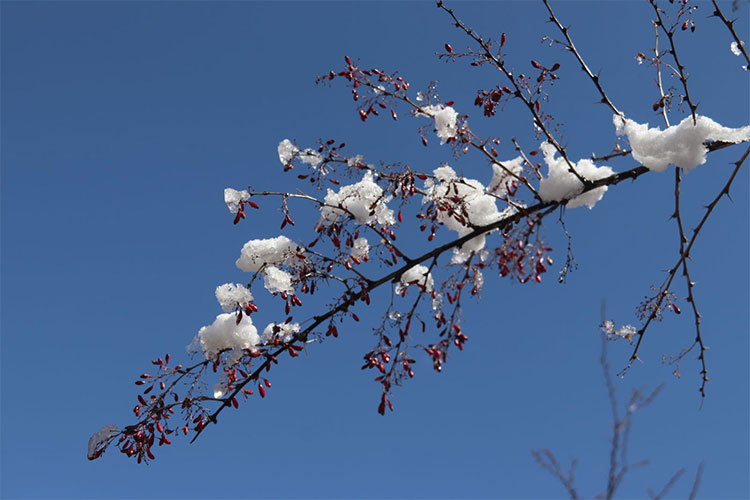
Climate change poses a significant threat to Tsum Valley's environment. Rising temperatures and changing precipitation patterns can alter habitat conditions, affecting both flora and fauna. Glacial melt, a consequence of global warming, can lead to increased flooding and landslides, further endangering the valley's ecological balance.
The impacts of climate change extend to traditional agricultural practices as well. Erratic weather patterns can reduce crop yields, impacting food security and the livelihoods of the valley's residents. The traditional knowledge and practices that have sustained the local communities for generations may no longer be sufficient to cope with the new environmental challenges posed by climate change.
Additionally, climate change can exacerbate existing threats to biodiversity. Species that are already vulnerable due to habitat loss or other factors may find it even more difficult to survive in a changing climate. The interconnectedness of the ecosystem means that the loss or decline of one species can have ripple effects throughout the valley. Read our article on detail about Climate change in Tsum Valley.
Conclusion
Tsum Valley's environment is a complex tapestry of biodiversity, traditional conservation practices, and unique cultural heritage. While development can bring economic benefits and improved quality of life to the region, it is crucial to approach it with a deep understanding of the potential environmental impacts. The delicate balance that has allowed Tsum Valley to thrive must be carefully managed to ensure that progress does not come at the expense of this ecological and cultural haven. The challenge lies in finding a path that respects and preserves the valley's environmental integrity while allowing for sustainable development that benefits its inhabitants.
How Can You Contribute?
-
Sharing Information and Creating Awareness among the Youth:
Educate young people about the ecological significance of Tsum Valley through workshops, seminars, and social media campaigns. Highlight the unique biodiversity and traditional conservation practices to foster a sense of responsibility towards environmental preservation.
-
Producing Quality Documentaries:
Create documentaries that showcase the natural beauty and cultural heritage of Tsum Valley. Highlight the potential environmental threats and the importance of sustainable development. Such visual storytelling can reach a global audience, raising awareness and garnering support for conservation efforts.
-
Conducting Professional Research and Data Collection Systems:
Engage in scientific research to gather data on the valley’s biodiversity, climate patterns, and the impacts of development projects. This data can inform policymakers and support evidence-based decision-making to protect the valley's environment.
-
Participating in Cleaning Campaigns like Travel Package of Tsum Valley Treks:
Organize and participate in cleanup campaigns to maintain the pristine condition of Tsum Valley. Collaborate with local tour operators to include eco-friendly practices in trekking packages, ensuring that tourism does not harm the environment.
By contributing in these ways, individuals and organizations can play a vital role in safeguarding Tsum Valley’s unique environment for future generations.
Address
House no: 70 / 16, Ga, Sainik Awaas Marga, Bijeswori-15
Kathmandu, Nepal

