


15 / May / 2026
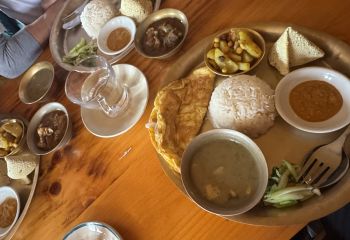
The Everest (Khumbu) region is famous for its towering peaks, but its culinary landscape is equally impressive. While many trekkers stick to familiar "teahouse staples" like vegetable pizza or club sandwiches, eating locally isn't just about flavor—it’s about sustainability and performance.
Sherpa cuisine is specifically designed for high-altitude living: it is calorie-dense, warming, and easy to digest. Here is a detailed look at the traditional dishes you must try on your way to Everest Base Camp.
1. Rildok or Potato Soup
.PNG)
Rildok is perhaps the most iconic Sherpa dish, yet it is rarely found on standard tourist menus. It represents the resilience of the Khumbu people, where the potato is the king of crops. The Process: This isn't your average potato soup. Freshly boiled potatoes are placed in a large wooden mortar and pounded with a heavy pestle for a long duration. This labor-intensive process breaks down the starch until the potato becomes a smooth, dough-like consistency. The Flavor Profile: Small balls of this "potato dough" are dropped into a steaming broth flavored with garlic, onion, and dried greens. Why Trekkers Love It: The texture is "slippery" and silky. When seasoned with Timur (Himalayan Sichuan Pepper), it provides a numbing, citrusy heat that opens up your sinuses and warms your core.
2. Rikikur or Potato Pancake
.PNG)
If you are looking for a hearty breakfast/lunch/dinner to power you through a climb up the EBC, Rikikur (derived from 'Riki' for potato and 'Kur' for bread) is the answer.
The Craft: Unlike Western pancakes, Rikikur is made from finely grated raw potatoes. These are mixed with a touch of flour and pan-fried until the exterior creates a crispy, golden-brown crust.
The Traditional Pairing: For the most authentic experience, eat it with Serkam. This is a slightly sour, fermented creamy cheese (often mixed with butter and chili).
Expert Tip: Always ask for the local tomato and chili chutney. The acidity of the chutney cuts through the richness of the potato and butter, creating a perfectly balanced bite.
3. Syakpa (Sherpa Stew)
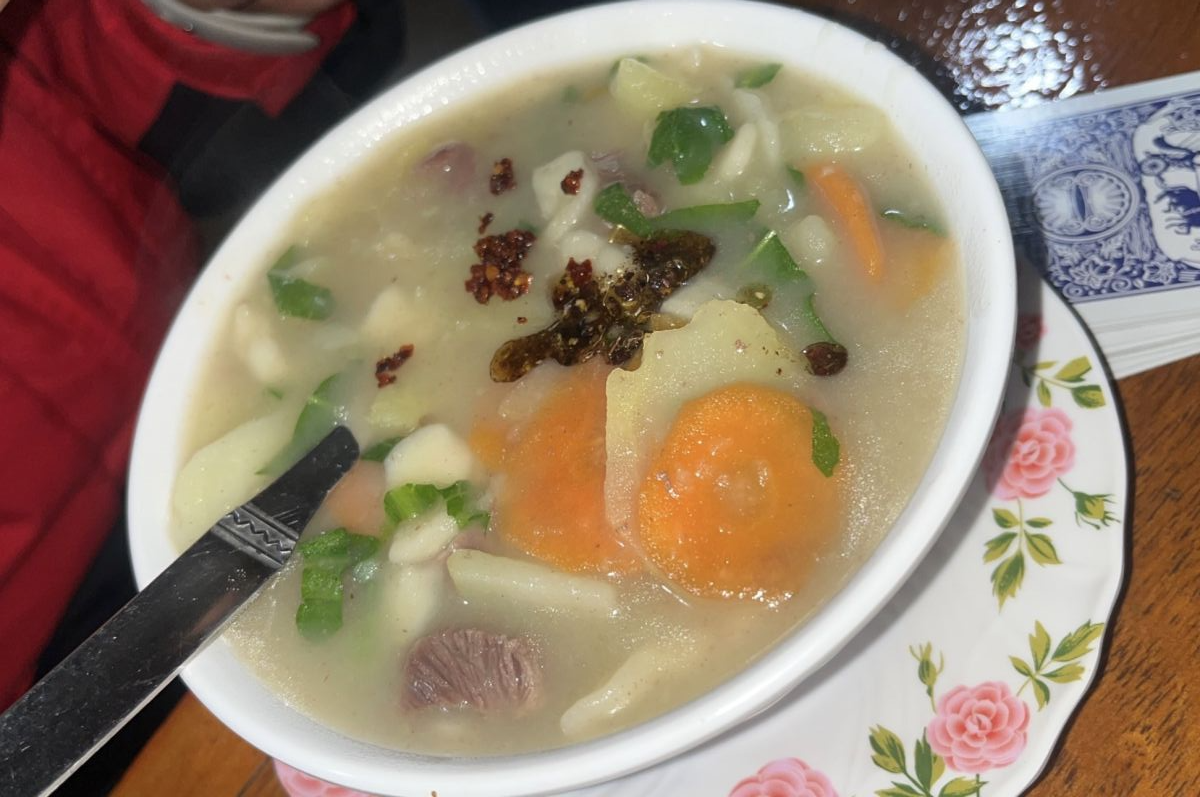
Commonly known as Sherpa Stew, Syakpa is the ultimate "one-pot" wonder. It is similar to the Tibetan Thenthuk, but with a distinctly Sherpa twist.
What’s Inside: A rich, thickened broth filled with hand-pulled dough pieces, sliced potatoes, radishes, and seasonal mountain greens. While many lodges offer a vegetarian version, the traditional recipe often includes dried yak meat (Sukuti) for extra protein.
Altitude Benefits: Because it is a stew, it provides essential hydration alongside carbohydrates. It is the most popular dinner choice for guides and porters because it is easy on the stomach after a long day at 4,000m+.
4. Boiled "Khumbu" Potatoes with Yak Cheese
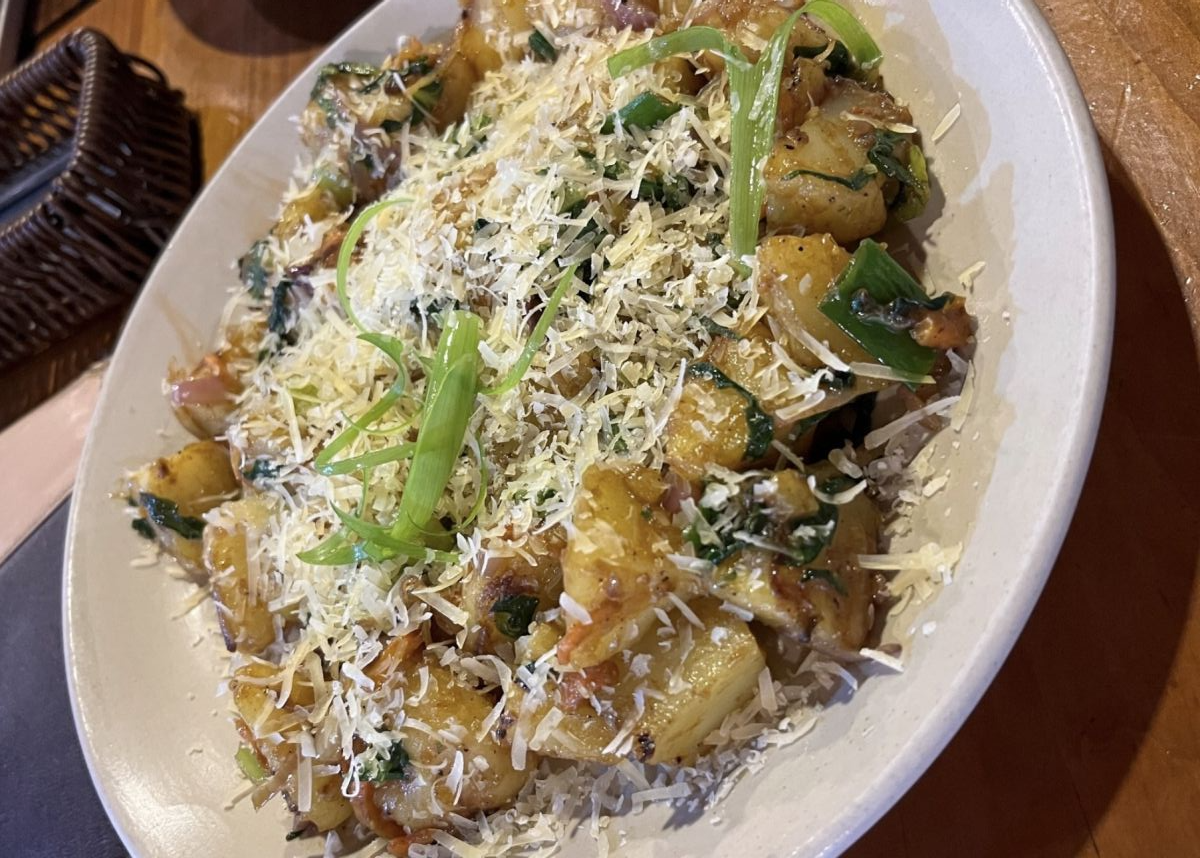
In the lower regions, potatoes are often watery. However, the potatoes grown in the high-altitude soil of the Khumbu are small, dense, and naturally sweet.
How to Enjoy: This is "slow food" at its best. You are served a bowl of steaming, unpeeled local potatoes. You peel them by hand, dip them into a mixture of salt and ground chili (Pithak), and take a bite of hard Yak (Nak) cheese in between.
The Snack Factor: This is the perfect "acclimatization snack." It’s simple, unprocessed, and packed with the potassium you need for muscle recovery.
5. Dal Bhat: The "24-Hour" Power Fuel
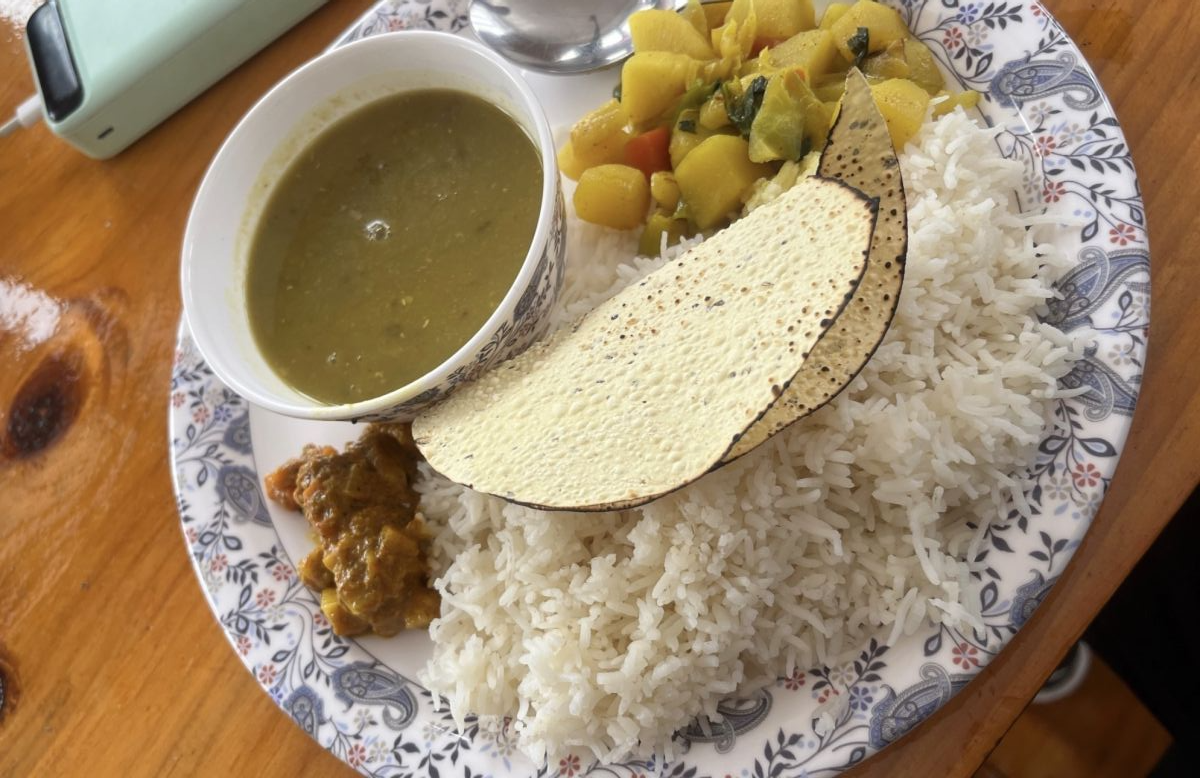
No article about Nepali food is complete without Dal Bhat. While it is found across Nepal, the version served in the Everest region often features local mountain lentils and fermented leafy greens (Gundruk).
The Strategy: The beauty of Dal Bhat is the unlimited refills. You can top up your rice, lentil soup, and vegetable curry as many times as you like for a single price.
Nutritional Balance: It provides the perfect ratio of protein (lentils), carbs (rice), and minerals (greens). There is a reason for the local saying: "Dal Bhat Power, 24 Hour!"
6. Artisanal "Mountain Spaghetti" (The Pangboche Special)
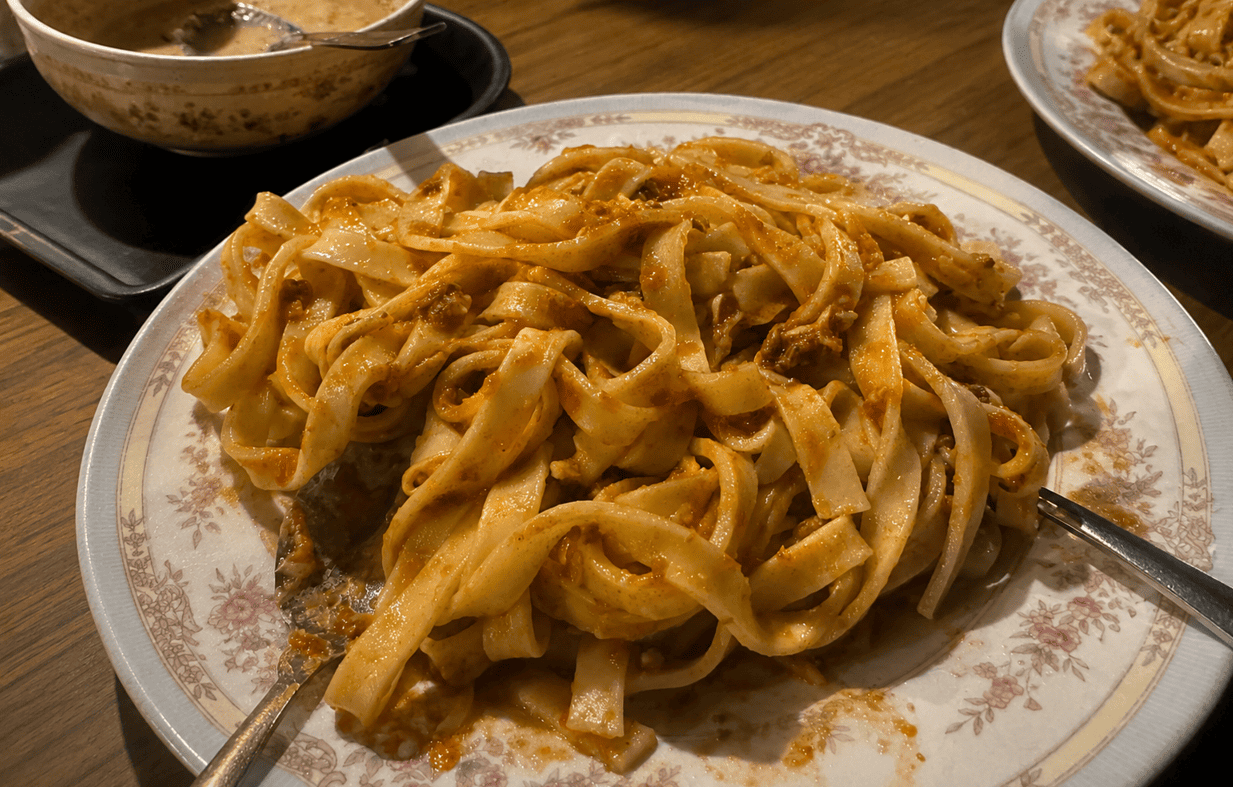
As you reach higher altitudes, many lodges rely on packaged, dry pasta imported from the city. However, a few specialized lodges are revolutionizing mountain food by producing their own fresh, organic noodles on-site.
The Craft: Instead of opening a plastic packet, the dough is prepared fresh using local flour and organic ingredients. The noodles are hand-crafted, giving them a texture and freshness that is impossible to find in a factory-made product.
The Fusion Magic: This dish is a perfect marriage of Italian technique and Himalayan soul. The "sauce" often features a base of Sherpa spices, including local mountain herbs and a hint of Timur, creating a flavor profile that is familiar yet entirely unique to the Everest region.
Where to Find It: For the definitive version of this dish, we highly recommend stopping at the Highland Sherpa Lodge in Pangboche. Sitting at nearly 3,900 meters, enjoying a plate of fresh, organic spaghetti while looking out at Ama Dablam is a culinary highlight of the trek.
Pro-Tips for Eating on the Trail
- Look for the "Local Hearth": The best food is often served in the smaller, family-run teahouses where the owner is the head chef.
- Go Easy on Meat: As you get higher (above Namche Bazaar), all meat is carried up by porters or yaks. For the freshest experience, stick to the potato-based Sherpa dishes and eggs.
- Garlic is Gold: Garlic is a natural blood thinner and is widely believed by locals to help with acclimatization. Don't be afraid to ask for extra garlic in your soup!
Address
House no: 70 / 16, Ga, Sainik Awaas Marga, Bijeswori-15
Kathmandu, Nepal

