


19 / Jun / 2024
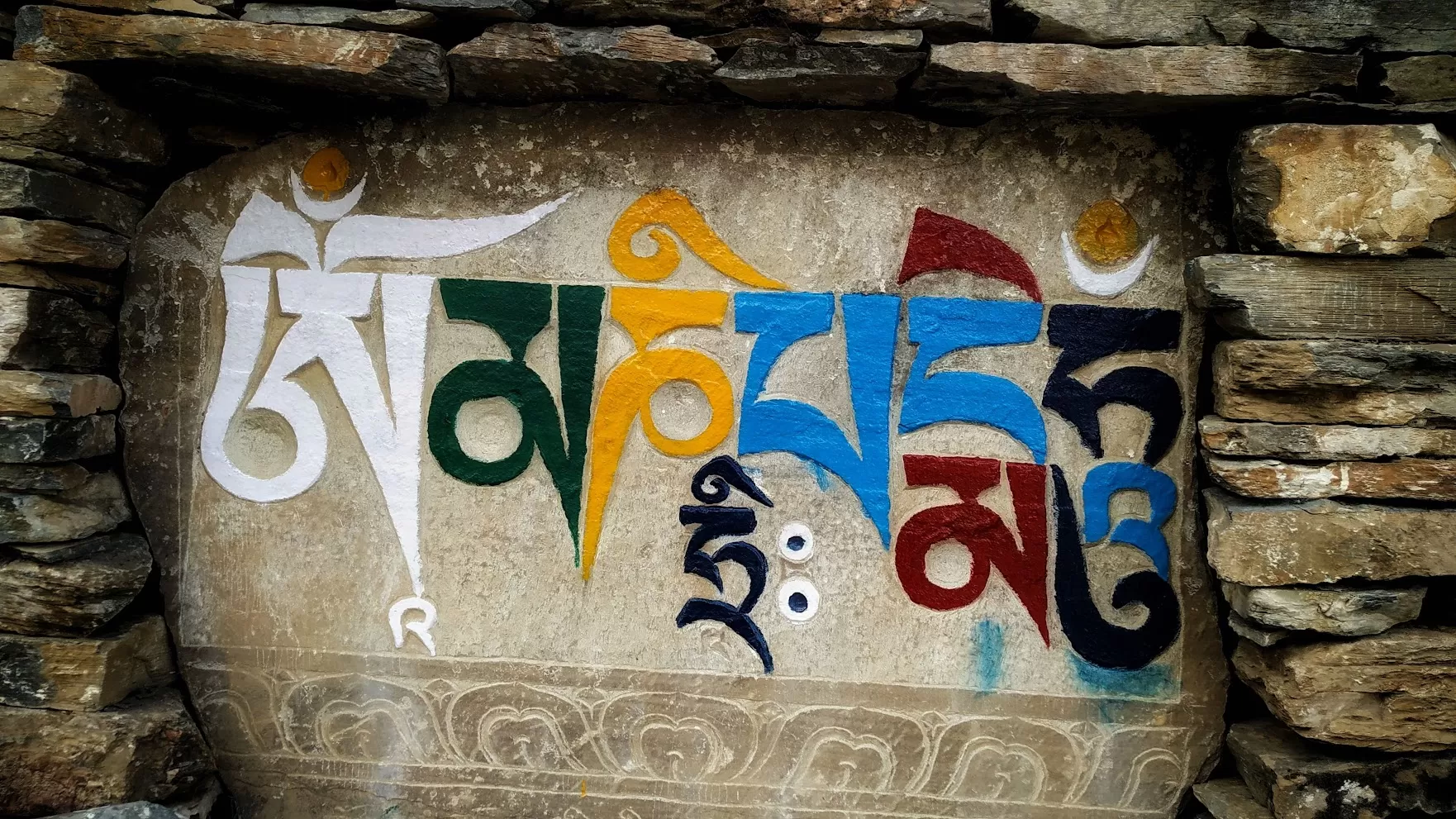
Tsum Valley, nestled in the heart of the Nepalese Himalayas, is a hidden gem brimming with unique festivals and cultural programs that offer a window into the ancient world of Buddhist values and norms. These celebrations, steeped in centuries-old traditions, provide an immersive experience that transports visitors to a different realm altogether.
Unlike many other cultural festivities, the festivals in Tsum Valley do not have fixed dates. Instead, the months are predetermined, and the exact dates are decided by the Lamas about a month in advance. If you are keen to experience the vibrant festivals of Tsum Valley, we offer an affordable cultural package designed to give you a thrilling and lifetime experience of these ancient traditions.
Losar: The Tibetan New Year
Losar, the most significant festival in Tsum Valley, is celebrated for 15 days in January, February, or March, according to the lunar calendar. Marking the New Year for the community, it is a time for family gatherings, feasting, and wearing new clothes, symbolizing hopes for prosperity throughout the year. A special snack called Jhetru or Khapse is prepared, and people believe that actions—whether positive or negative—during this time set the tone for the entire year. The festival also holds deep religious significance, with rituals to banish negativity and promote blessings.
Preparations for Losar begin with cleaning and repainting homes, washing utensils, and ensuring everything is fresh for the New Year. On the eve of Losar, families prepare and consume Gu Thuk, a special soup taken nine times, with the final portion symbolically discarded to drive away negativity and disease. Early on Losar morning, families visit water sources to offer Khada, a ceremonial scarf, in reverence, and bring fresh water home to offer in seven bowls to the gods. A Chopa, a decorative offering of water, grains and Khapse, is arranged as a tribute to the deities, followed by the sharing of the Kallo, a platter of sweets, in a hierarchical family order. A special sweet rice dish called Braysil is also enjoyed.
The first day is dedicated to family, while subsequent days are spent visiting monasteries and relatives, raising prayer flags, and spreading goodwill. Homes are thoroughly cleaned, and people exchange visits, fostering happiness, peace, and prosperity. Losar embodies the community’s unity, renewal of faith, and hope for a blessed year ahead.
Saka Dawa: Celebrating Buddha’s Life
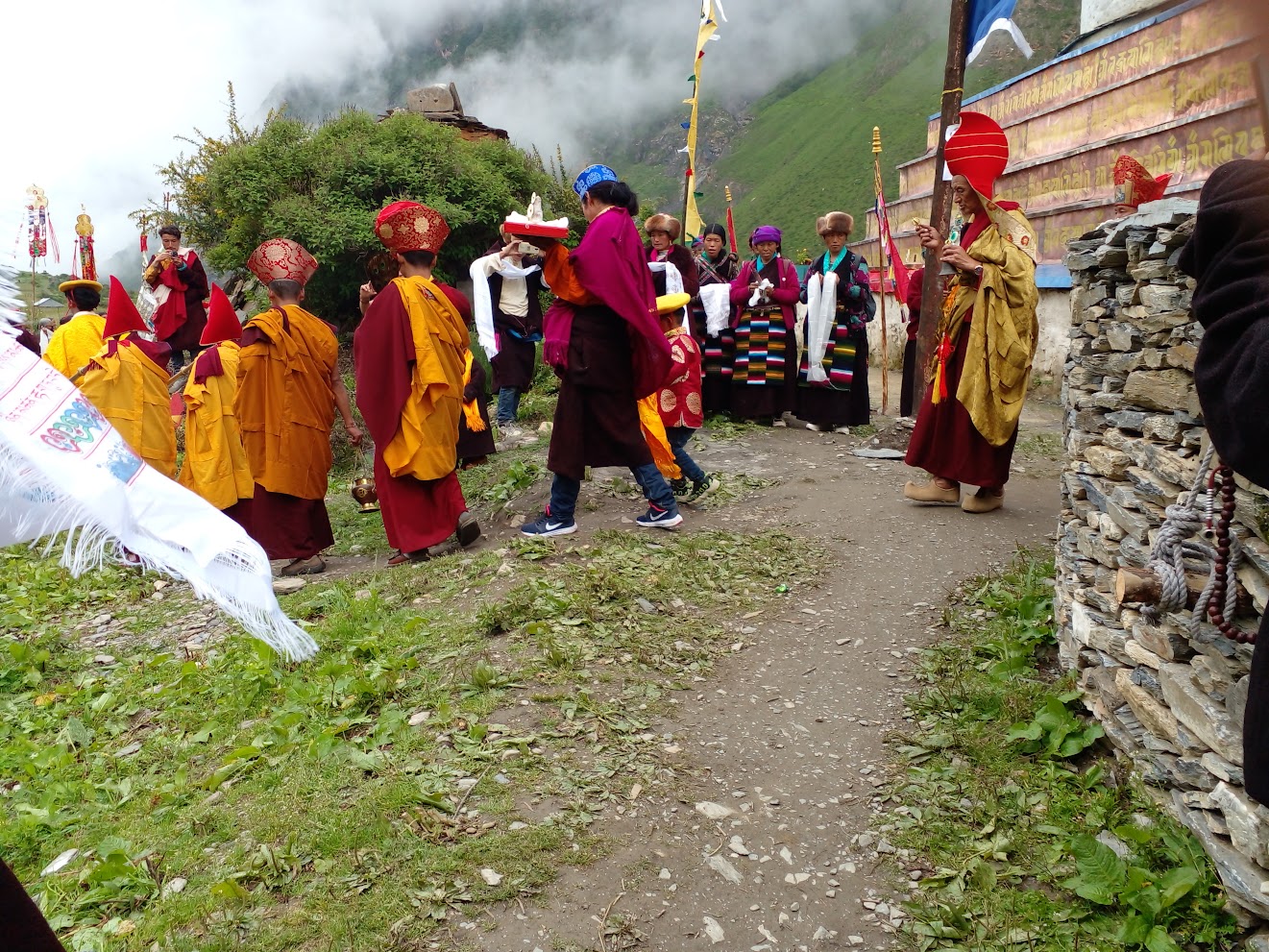
Saka Dawa is celebrated in May at local gumbas and monasteries to commemorate the birth, enlightenment, and demise of Lord Buddha. This festival is a spiritual highlight in Tsum Valley, where devotees engage in prayers, rituals, and acts of generosity.
Faning: Festival of Inner Energy
Faning, celebrated in August, focuses on the attainment of internal energy. Local people believe that nutritious food generates this energy, so the festival is marked by feasting on healthy and tasty foods, fostering a sense of community and well-being.
Nara: Mask Dance Festival
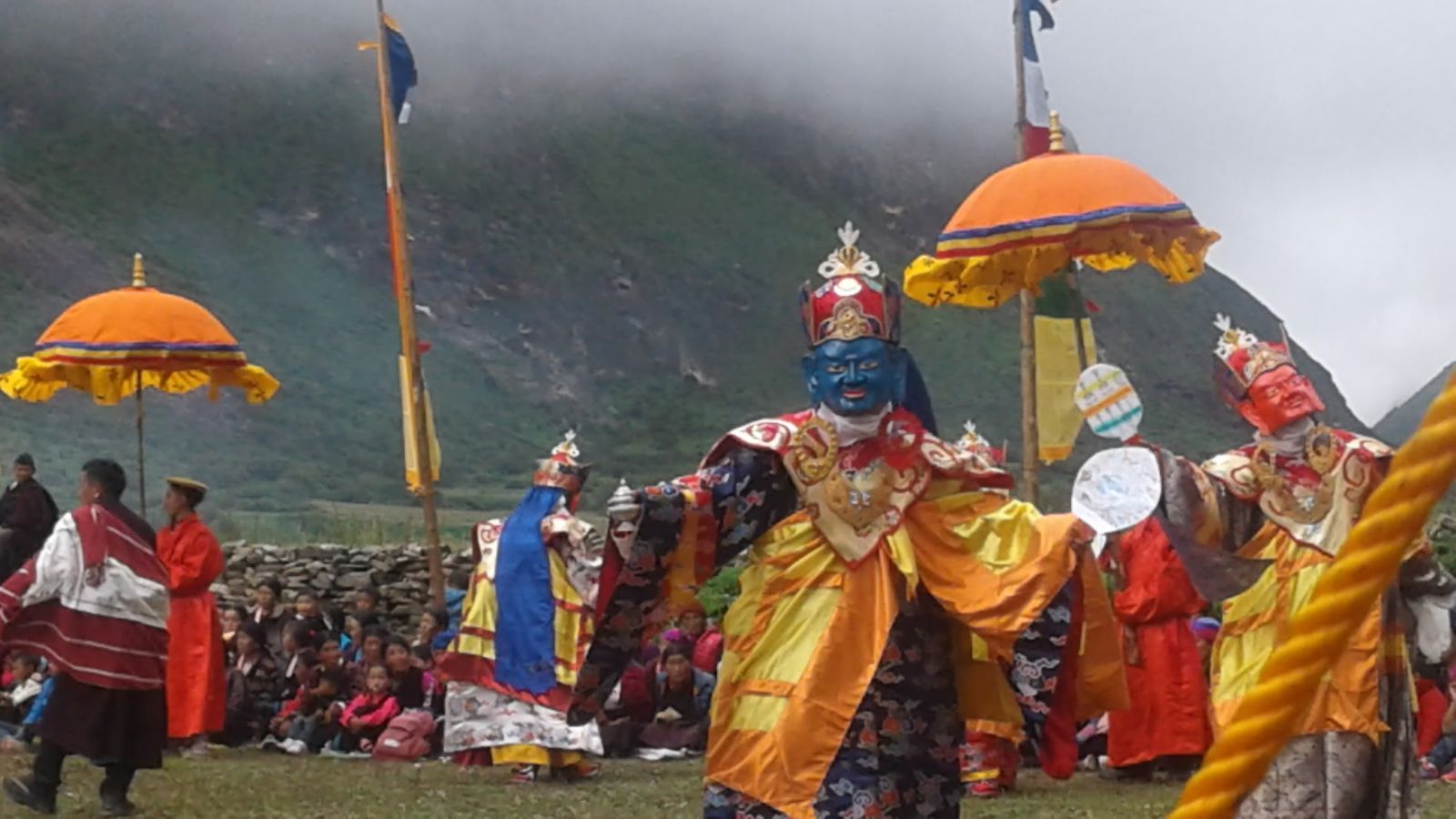
Nara is a traditional and historical festival where locals perform mask dances. Celebrated in different seasons and monasteries—Gumba Thosing Labrang Nara in January, Khansar Labrang Gumba Chipu Nara in June, Nile Labrang Ghonghe Gumba Nara in October, and Ngag Labrang Nara in December—this festival showcases the rich cultural diversity of Tsum Valley.
Dhachyang: The Festival of Horses
Dhachyang, held in November and December, is one of Tsum Valley's most important festivals. It is organized for the welfare of society and features horse races where beautifully decorated horses compete. Men participate in the races, while women and the rest of the community rejoice in the festive atmosphere, making it a vibrant and colorful event.
Experience Tsum Valley with Our Cultural Package
Our cultural package is meticulously crafted to provide you with an unforgettable experience of Tsum Valley's festivals. From the exuberant celebrations of Losar to the spiritual tranquility of Saka Dawa, the energetic feasting of Faning, the mesmerizing mask dances of Nara, and the thrilling horse races of Dhachyang, you will witness the profound cultural heritage of this mystical valley.
Join us on this journey to Tsum Valley and immerse yourself in the timeless traditions that have been preserved through the ages. This is more than just a trip; it is a once-in-a-lifetime opportunity to experience the living culture of Tsum Valley.
Address
House no: 70 / 16, Ga, Sainik Awaas Marga, Bijeswori-15
Kathmandu, Nepal

