


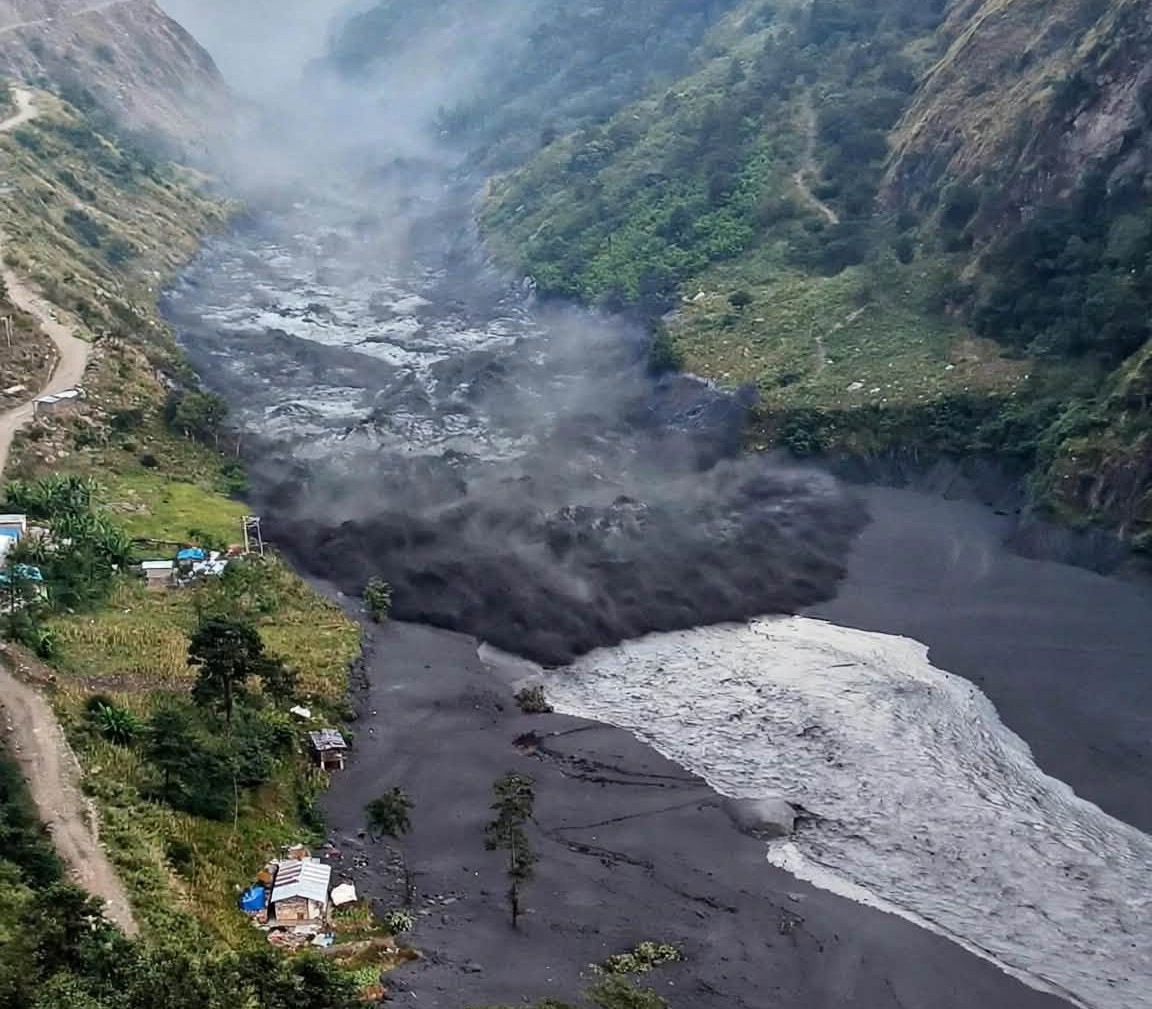
14 / Oct / 2026
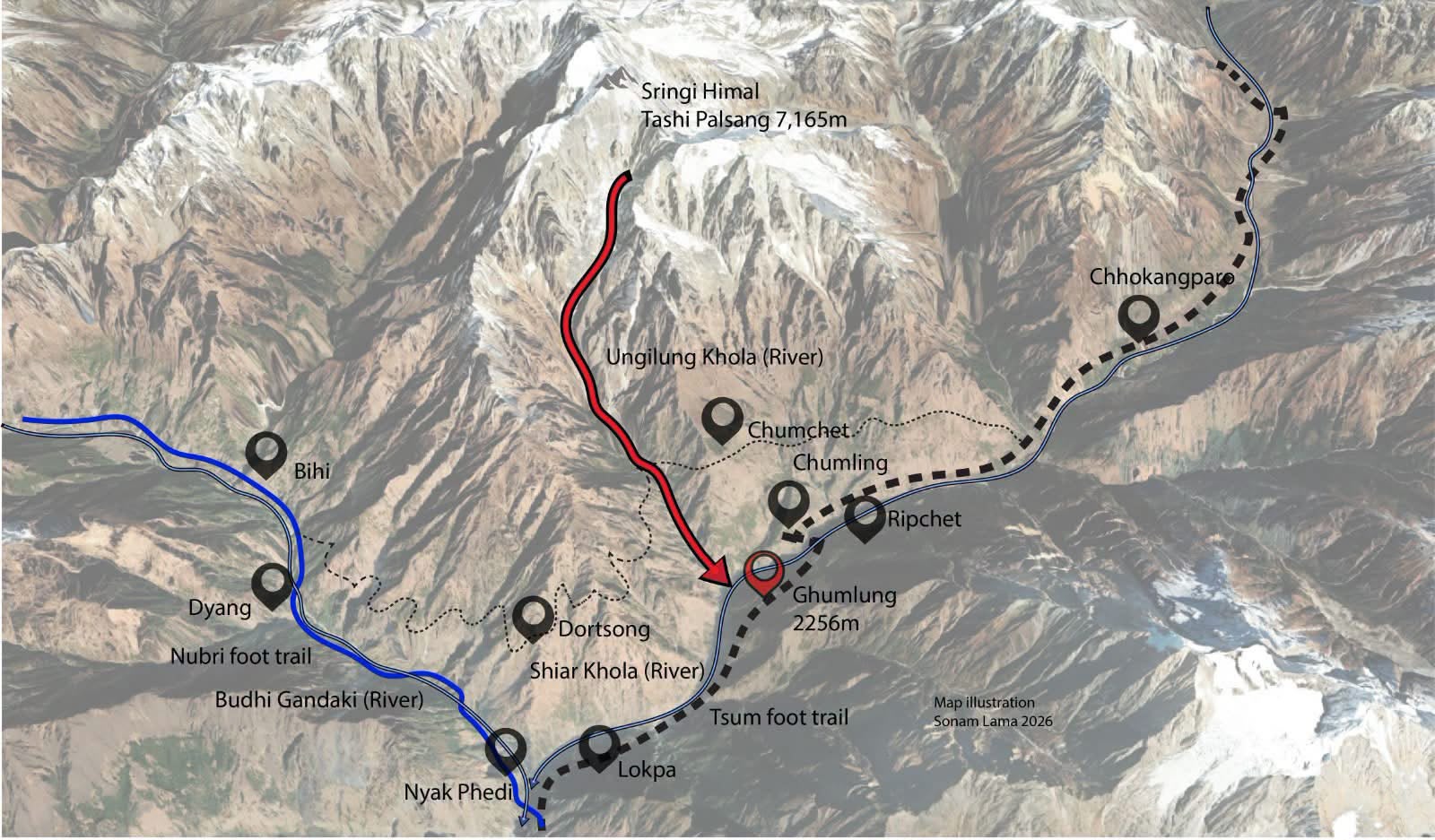
Map created by: Sonam Lama(Architect)
Tsum Valley was opened to formal trekking only after 2008. Since then, the number of trekkers has gradually increased, and the region has established its own identity as a unique trekking destination, known for its rich culture, heritage, and relatively untouched landscapes. The damage caused by the recent floods is devastating and difficult to comprehend. Considering the scale of the disaster, we are grateful that all our guests have been safely evacuated and that there have been no casualties among our trekkers.
The trekking trails have been severely damaged, including the destruction of the valley's only cantilever bridge. Almost the entire Tsum Valley trail network has been affected, particularly the foot trails, making access and trekking operations extremely challenging.
A Firsthand Account from the Ground
By Tanzin Gyalzen, Founder and Trek Leader, Tsum Valley Trek & Expedition
I was in Lama Gaun with my guests when the disaster unfolded. At around 7 AM, one of my guides, who was with another group in Chumling, called to inform me about the flood. Having experienced the aftermath of the 2015 earthquake, this was the second major disaster I had faced firsthand. We were stranded in Tsum Valley, with trail conditions uncertain and access routes severely affected. My immediate priority was to assess the situation and make the necessary arrangements to bring everyone to safety. We coordinated helicopter evacuations for our stranded groups. One group was airlifted from Chumling to Prok, allowing them to continue their trek from there, while the other guests were evacuated directly to Kathmandu.
It was a difficult and uncertain situation, but the safety of our guests and team remained our highest priority throughout. I am relieved that all our guests were brought to safety and returned to Kathmandu without casualties.
The Impact on Tsum Valley and Manaslu
Tsum Valley Trek & Expedition has successfully coordinated the safe return of all our stranded guests to Kathmandu, with arrangements made according to the conditions on the ground.
We sincerely apologize to our guests for the difficulties, uncertainty, and inconvenience they may have experienced during this unexpected situation. We understand how stressful it can be when travel plans are disrupted, especially in remote mountain regions where access and communication can be limited.
Although the trails may eventually be repaired, both the Tsum Valley and Manaslu regions will require considerable time to recover. The floods have severely damaged trails, bridges, river crossings, and local infrastructure, making access and trekking operations challenging. Even after repairs are completed, the affected landscapes and communities will need time to recover. We will resume our trekking operations only when conditions are assessed as safe and the regions are ready to welcome trekkers again.
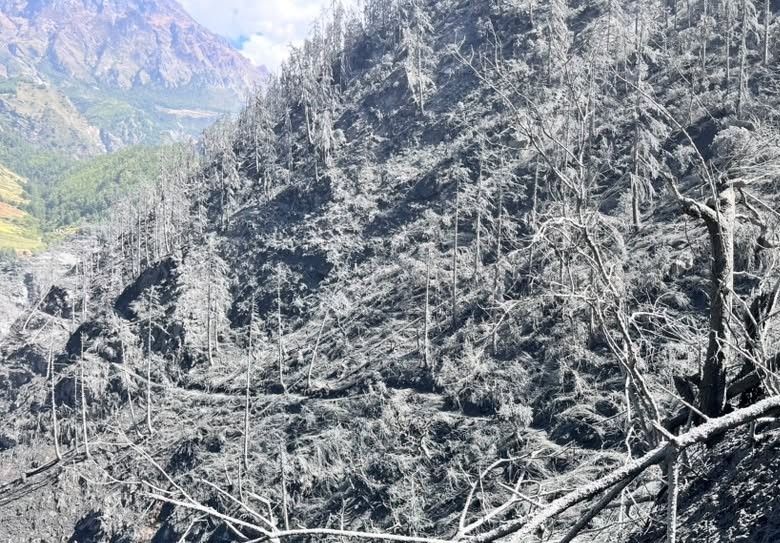
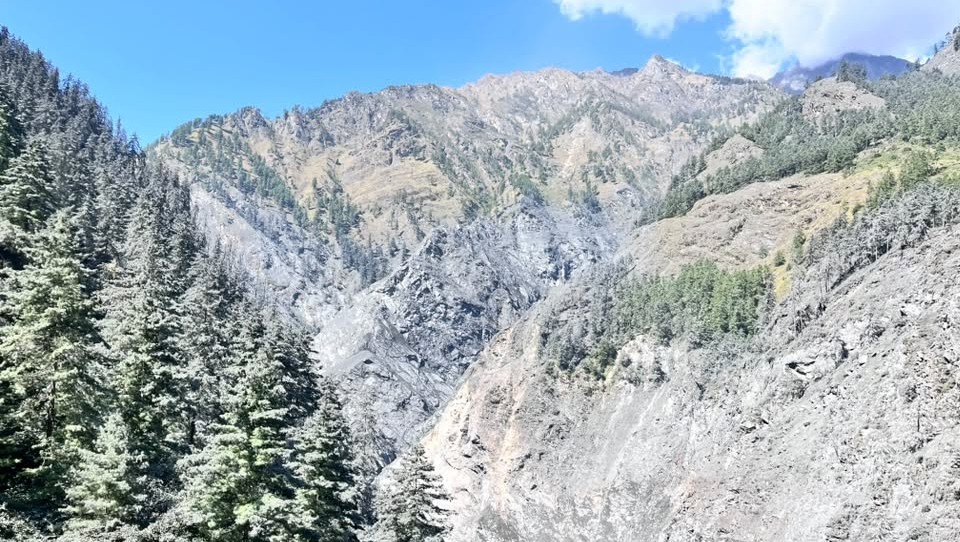
Even after trail maintenance, the landscape will remain deeply affected by the disaster. The lush greenery, waterfalls, and beautiful trails that make this region so special may take time to recover. Rebuilding access is only one part of the process; restoring the region and supporting the affected communities will take much longer.
Suspension of Trekking Operations for Autumn 2026
After witnessing the extent of the flooding and destruction, Tsum Valley Trek & Expedition has decided to suspend our regular trekking operations in both the Tsum Valley and Manaslu regions for the remainder of the Autumn 2026 season.
This decision has not been taken lightly. The current conditions, damaged trails, and uncertainty surrounding access make it difficult to offer the safe and meaningful trekking experience our guests deserve. Our decision reflects our commitment to responsible tourism and the safety of our guests, guides, porters, and local communities.
We are monitoring updates and relevant safety advisories from the Trekking Agencies' Association of Nepal (TAAN), the Nepal Tourism Board, and local authorities as the situation develops.
What This Means for Our Booked Guests
For guests with existing bookings in Tsum Valley or Manaslu, our team will reach out directly to discuss suitable alternative trekking destinations and arrangements.
Guests who prefer to postpone their trip may retain their advance booking deposit for a future trip with us, subject to confirmation of the applicable booking terms and arrangements with our team. We will work directly with each guest to find the most appropriate solution.
While these two regions have been affected, other trekking destinations in Nepal may still offer excellent alternatives. Depending on current route conditions and travel dates, options may include Everest Base Camp, Annapurna Base Camp, the Annapurna Circuit, Mardi Himal, and other accessible trekking regions.
We encourage our booked guests to contact us so that we can discuss alternatives based on their interests, schedules, and safety requirements.
An Alternative: Tsum Valley Cultural Experience
For travelers who wish to experience the unique culture and heritage of Upper Tsum Valley, our Tsum Valley Cultural Trek may remain an option through a specially arranged helicopter journey into and out of the region, combined with immersive cultural experiences and local activities.
However, this program will only proceed if safe access can be confirmed and the necessary permissions, helicopter operations, and local arrangements are in place. We will assess each proposed trip carefully before confirming any departure.
Looking Ahead
We sincerely hope the situation stabilizes soon and that the affected communities receive the support they need to rebuild their lives and infrastructure.
Tsum Valley is more than a trekking destination. It is home to communities whose cultural traditions, heritage, and way of life make this region unique. As the valley recovers, supporting its people and preserving its cultural heritage will be just as important as restoring its trails.
We look forward to welcoming trekkers back when conditions are safe and the valley is ready to share its beauty once again.
Until then, we remain committed to responsible tourism, the safety of our guests, and the well-being of the communities that make these journeys possible.
Thank you for your understanding and continued support.
Address
House no: 70 / 16, Ga, Sainik Awaas Marga, Bijeswori-15
Kathmandu, Nepal

