


20 / Dec / 2024
Tsum Valley, tucked away in the breathtaking Himalayas of Nepal, is famous not just for its awe-inspiring landscapes and historic monasteries but also for its unique and traditional drinks. The drinks are an everyday part of the Tsumba community. Tea is enjoyed daily to ward off the cold and relieve tiredness, while alcohol plays a significant role in social and cultural life, from celebrations to rituals and even during long journeys. When visiting others, alcohol is always offered—even by families who don’t drink—as it is considered auspicious. A unique practice involves the groom’s family offering a bottle of alcohol to ask for the bride’s hand in marriage; if the bride’s family accepts and drinks it, the marriage is considered agreed upon. Let’s explore some of the must-try drinks you can enjoy during your Tsum Valley Trek.
Tibetan Black Tea (Cha Dhang)
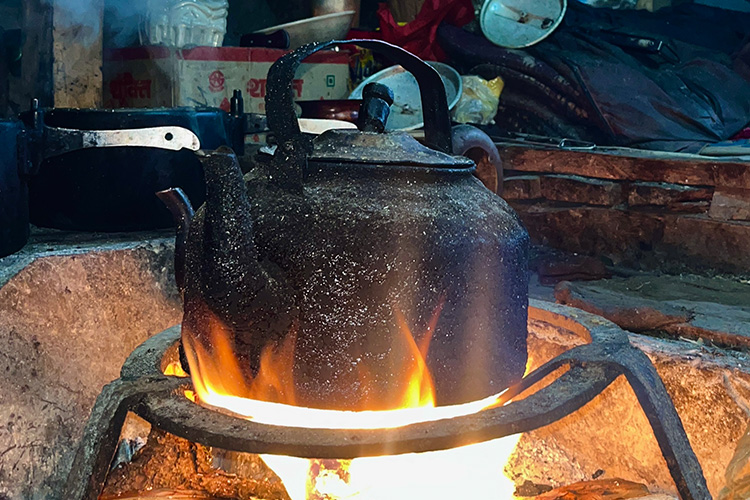
Tibetan Black Tea, locally known as Cha Dhang, is a traditional Tibetan beverage deeply rooted in the valley’s culture. The tea is made from vintage Tibetan brick tea, which consists of fermented leaves and stalks pressed into bricks and enclosed in bamboo. This tea is often imported from Tibetan towns across the border.
To prepare Cha Dhang, the tea is boiled, and the liquid is separated from the leaves. Traditional Tibetan salt and a slight touch of butter are then added to enhance the flavor. Once prepared, the tea is served warm, providing a soothing drink for the cold Himalayan climate.
In recent years, due to the availability and affordability of Nepali tea, packet tea bags have become more common. So, when you order black tea in Tsum Valley, it is likely to be Nepali-made tea unless you specifically request traditional Tibetan tea.
Butter Tea (Boecha)
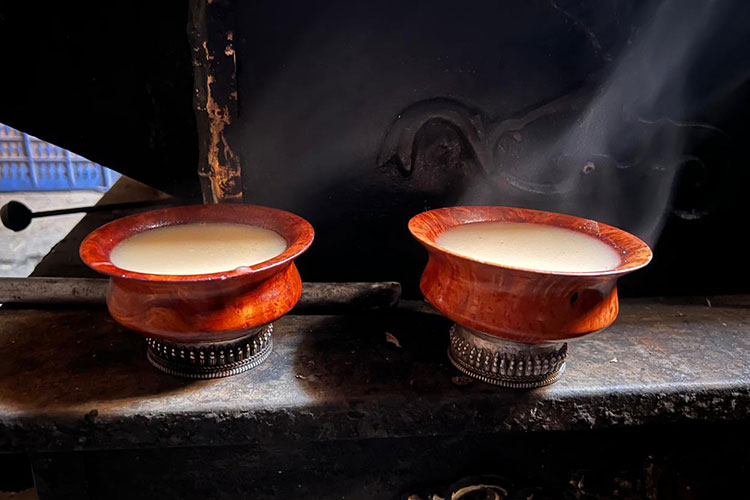
Butter Tea, or Boecha, is another staple beverage of Tsum Valley. Made with Tibetan tea leaves, butter, raw salt, and water, this tea is a perfect energy booster for trekkers. The preparation process is unique and involves a special tool called a ‘dhongmu’ – a cylindrical wooden tea maker.
The process begins with boiling Tibetan tea leaves in water to extract the tea. The liquid is then poured into the dhongmu along with butter and salt. Using a mixer resembling a syringe (without a needle), the ingredients are churned together by pushing and pulling the handle, creating a creamy, rich beverage. Butter Tea is not just a drink but a cultural experience that offers warmth and sustenance during your journey through Tsum Valley.
Chang or Balu (Local Beer)
Chang, or Balu, is a traditional local beer, with Nay Chang made from wheat and Bray Chang from rice grains. The preparation process for both begins with roasting the grains, boiling them, and then sun-drying. Afterward, they are mixed with a special fermentation agent or yeast and left to ferment in a warm place for 2-4 days. It is served from a special wooden container carved with copper on the outer layer, called "pong" in the local language.
Chyang or Balu can be consumed in two forms:
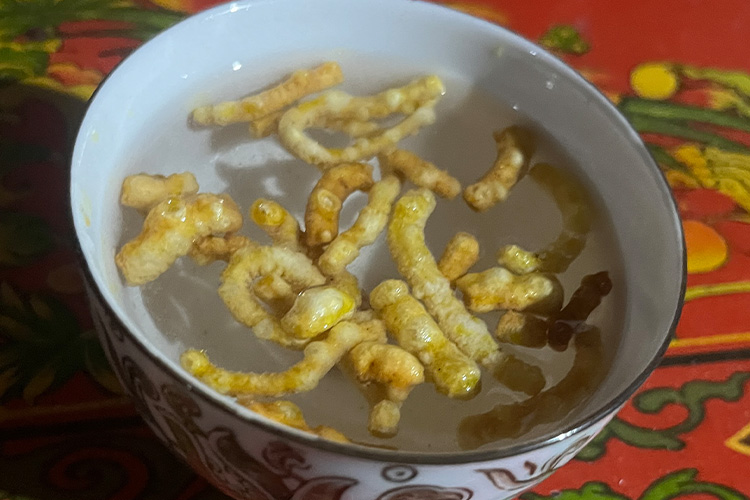
Lum: A paste that can be eaten directly or fried in oil.
Chang: A liquid extract that can be consumed cold as Chang or semi-boiled as Chyangkol.
Chang is not only a refreshing drink but also holds cultural significance as a primary offering during local ceremonies and rituals.
Arak
Arak is a locally distilled spirit made primarily from wheat. With its clear and powerful taste, Arak is comparable to vodka or gin, boasting an alcohol content of 40-50%. The preparation process begins with fermenting wheat, similar to Chang. The fermented grains are then distilled using traditional tools such as the Marjang (copper boiler), Parcha (clay funnel), Nangja (collection pot), and Peni (copper bowl for cooling steam).
Arak is a valued beverage, often served during special occasions. According to local beliefs, if the taste of Arak is off, it’s considered a sign of misfortune or a curse.
Unique Drinking Traditions
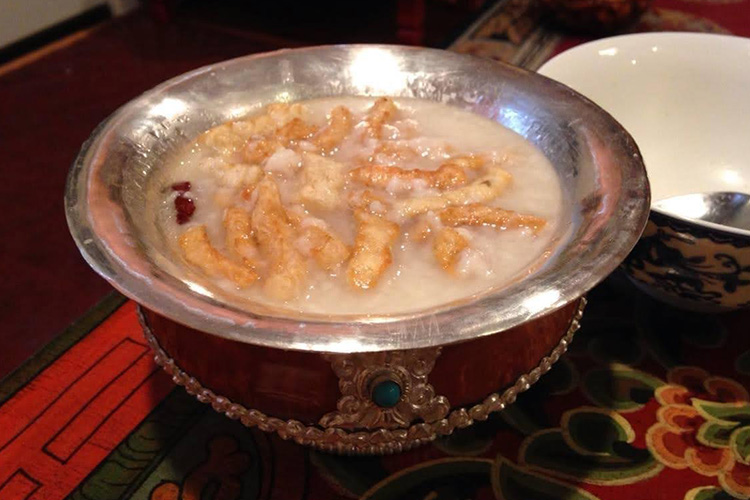
In Tsum Valley, beverages are often served in traditional wooden cups called Phorwa. These cups are intricately designed, with the inner part sometimes carved in silver for alcoholic drinks (Ngulkyor) or plain wood for tea (Chaphor). Being offered a drink in these cups is a gesture of respect and inclusion into the family circle, making your experience in the valley even more memorable.
Experience Tsum Valley’s Rich Culture
The Tsum Valley Trek is a fantastic way to discover the valley's traditions and enjoy its authentic beverages. From the comforting warmth of Cha Dhang to the celebratory spirit of Chang and Arak, each drink is a reflection of the region’s rich heritage. Make sure to try these unique flavors and create unforgettable memories on your Himalayan adventure!
Address
House no: 70 / 16, Ga, Sainik Awaas Marga, Bijeswori-15
Kathmandu, Nepal

