


06 / Jun / 2023
Introduction
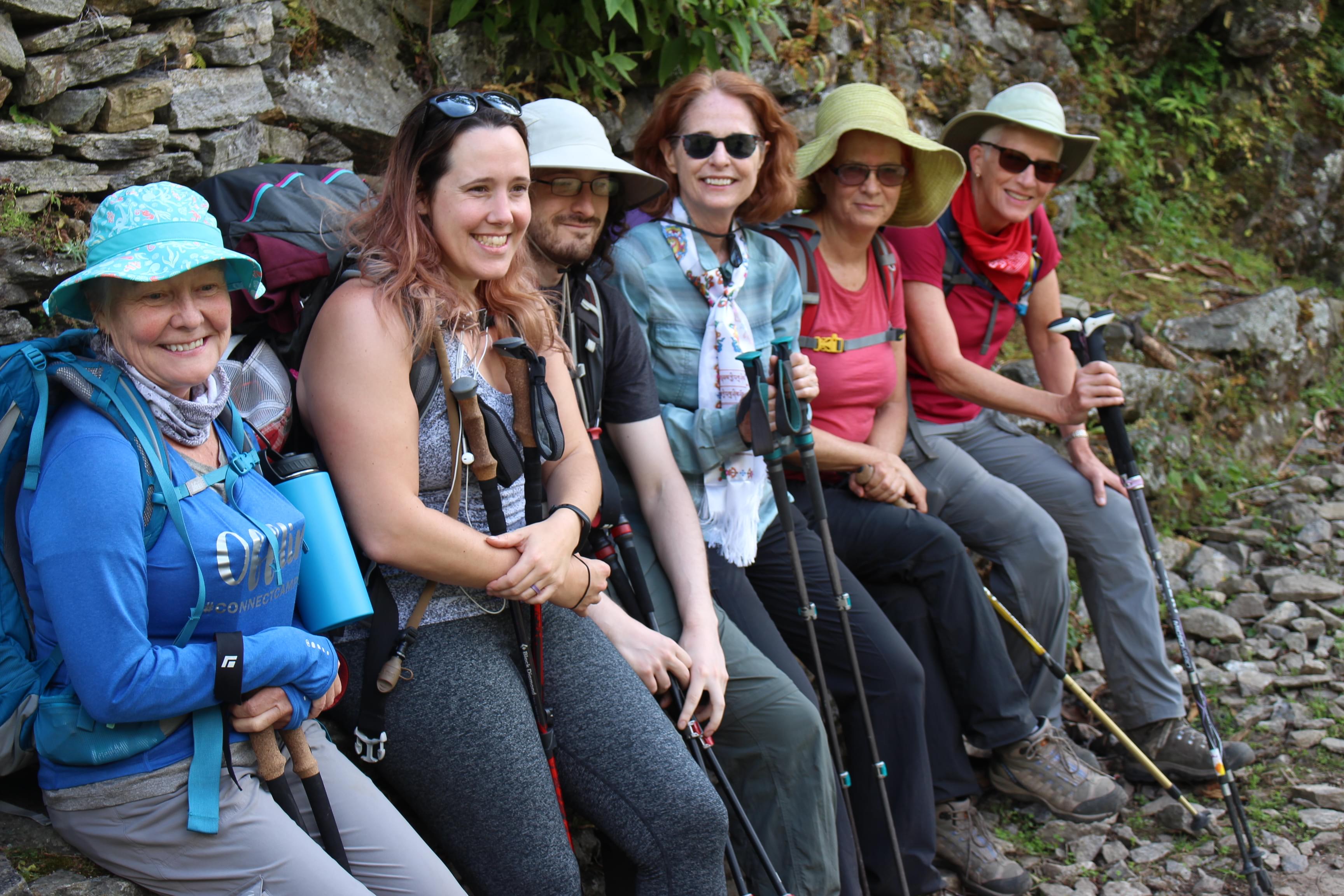
Embarking on a trek through the mesmerizing Tsum Valley offers a blend of natural beauty, cultural encounters, and spiritual exploration. As you immerse yourself in this enchanting Himalayan pilgrimage, it's crucial to understand the impact of altitude on your body and take necessary precautions. In this blog post, we will provide valuable insights and essential tips to ensure a safe and successful acclimatization process during your Tsum Valley adventure.
Tsum Valley is characterized by a gradual ascent of approximately 500 meters per day, allowing your body to adjust gradually to the increasing altitude. The valley itself is nestled amidst breathtaking mountains and hills, offering a captivating setting where extreme altitude gains are not a primary concern. However, it's essential to maintain caution and respect the potential effects of altitude on your well-being.
To facilitate proper acclimatization, a thoughtfully designed itinerary includes a rest day in Lama Gaun. This strategic pause provides a crucial opportunity for your body to adapt to the altitude and minimize the risk of altitude sickness. During this rest day, you can take in the surrounding beauty, interact with locals, or engage in light activities that promote blood circulation and aid in acclimatization.
Additionally, an acclimatization hike may be incorporated into your trekking schedule. This hike allows you to explore the picturesque landscapes while gradually exposing your body to higher altitudes. It serves as an effective method to further assist in the acclimatization process and build your confidence for the upcoming challenges.
Although the ascent in Tsum Valley may not be extreme, it's vital to prioritize your safety and well-being throughout your trek. Pay attention to your body's signals and be mindful of any symptoms of altitude sickness, such as headaches, dizziness, nausea, or fatigue. If you experience such symptoms, take them seriously and communicate with your trekking guide or fellow trekkers. Descending to a lower altitude, if necessary, is a prudent decision to ensure your health.
Remember, successful acclimatization is a result of a combination of factors, including gradual ascent, rest days, proper hydration, balanced nutrition, and active listening to your body. By adhering to these essential tips, you can optimize your acclimatization process and embark on a memorable and transformative journey through the awe-inspiring Tsum Valley.
In this blog post, we will discuss some essential tips to help you overcome altitude challenges and acclimatize effectively during your Tsum Valley adventure.
1. Ascend Slowly
One of the most important principles of altitude trekking is to ascend slowly. Rapid gains in altitude can lead to altitude sickness, which can be dangerous or even life-threatening. Take your time and allow your body to adjust gradually to the increasing altitude. Plan your itinerary in a way that includes enough rest days for acclimatization.
2. Hydrate, Hydrate, Hydrate!
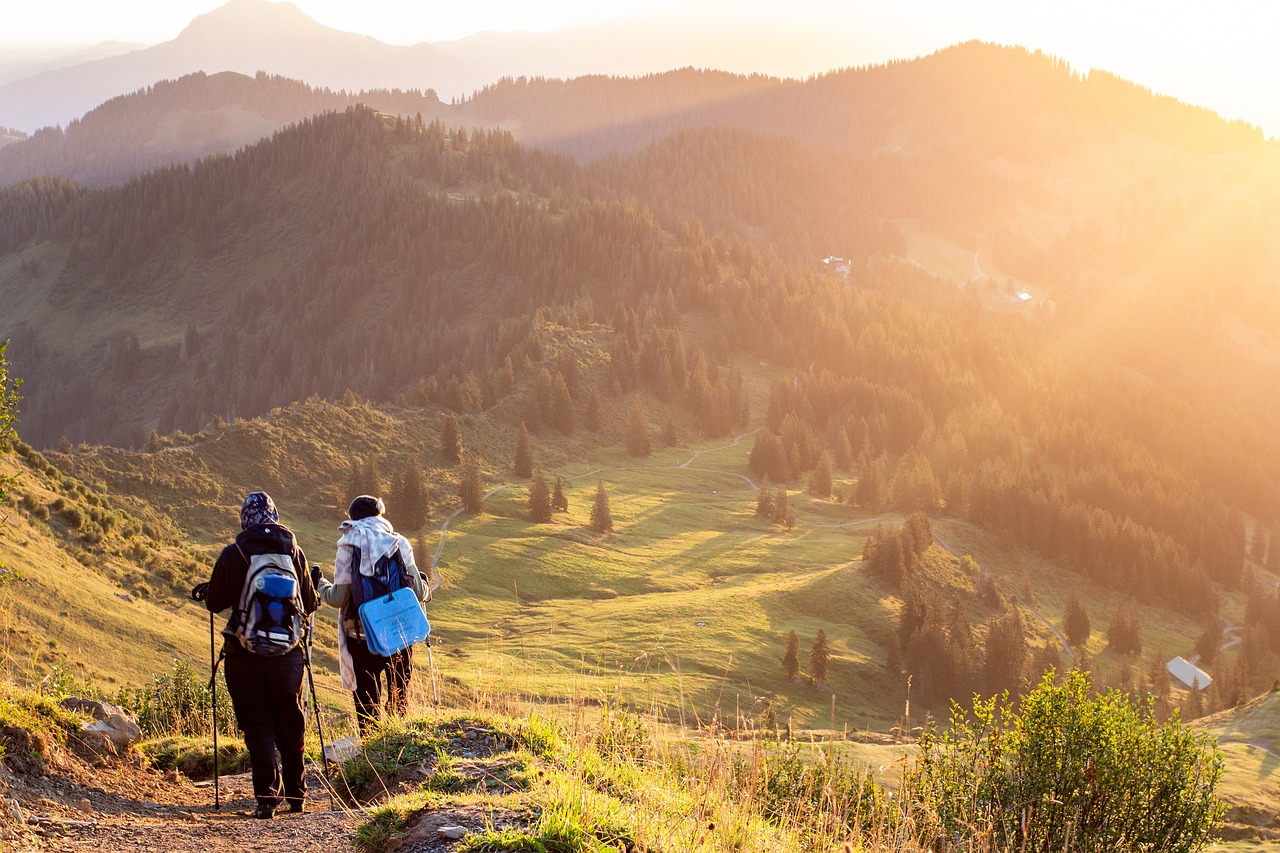
Staying hydrated is essential for acclimatization. Drink plenty of water throughout the day to keep your body hydrated and help prevent altitude sickness. Avoid excessive consumption of alcohol and caffeinated beverages as they can dehydrate you. Remember, hydration is key to successful acclimatization.
3. Maintain a Balanced Diet
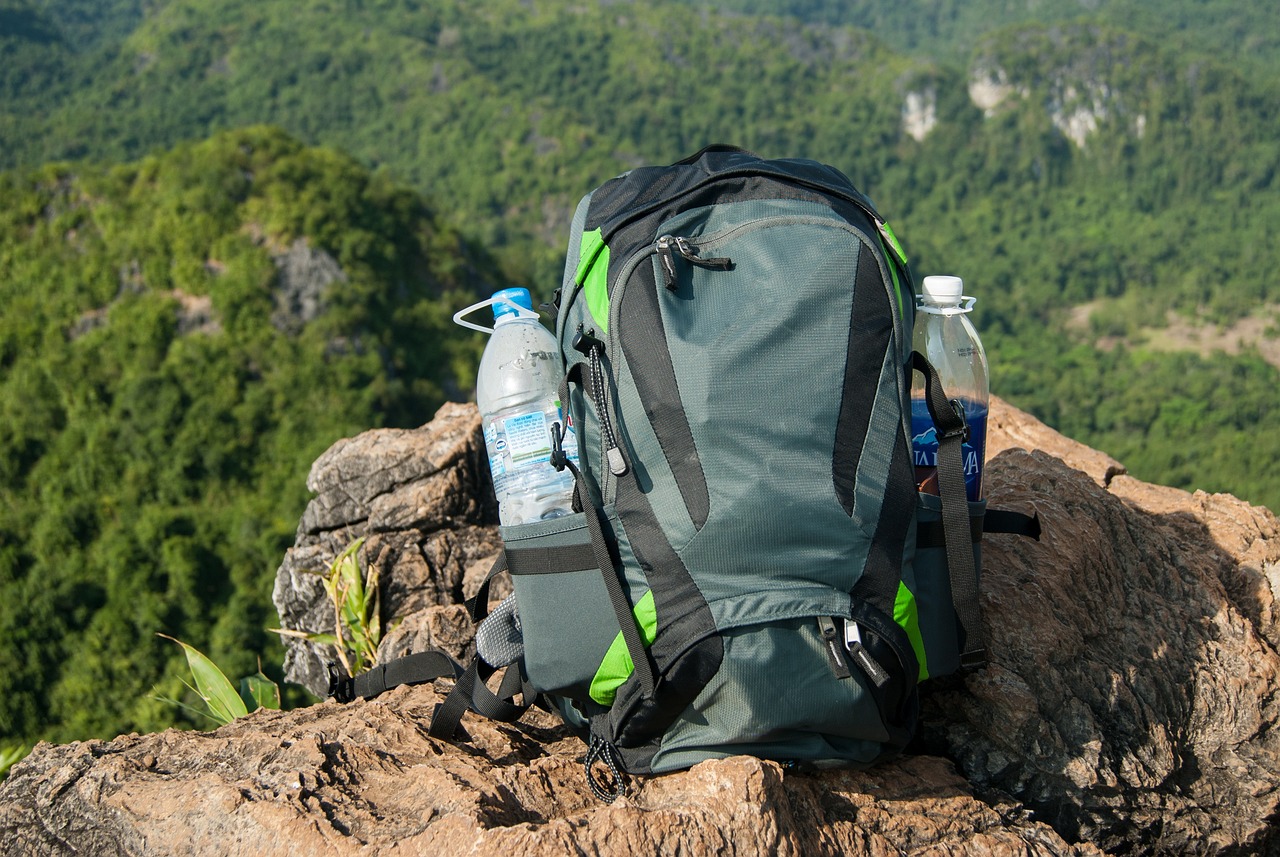
Proper nutrition plays a vital role in acclimatization. Ensure you have a balanced diet that includes carbohydrates, proteins, and essential vitamins and minerals. Consume foods that are easily digestible and provide a good source of energy. Include fruits and vegetables in your meals to maintain a healthy immune system.

4. Gradual Altitude Gains with Rest Days
Plan your trek itinerary with gradual altitude gains and include rest days for acclimatization. Rest days allow your body to adjust to the thinning air and help minimize the risk of altitude sickness. Use these days to relax, explore the surroundings, and engage in light activities that promote blood circulation.
5. Listen to Your Body
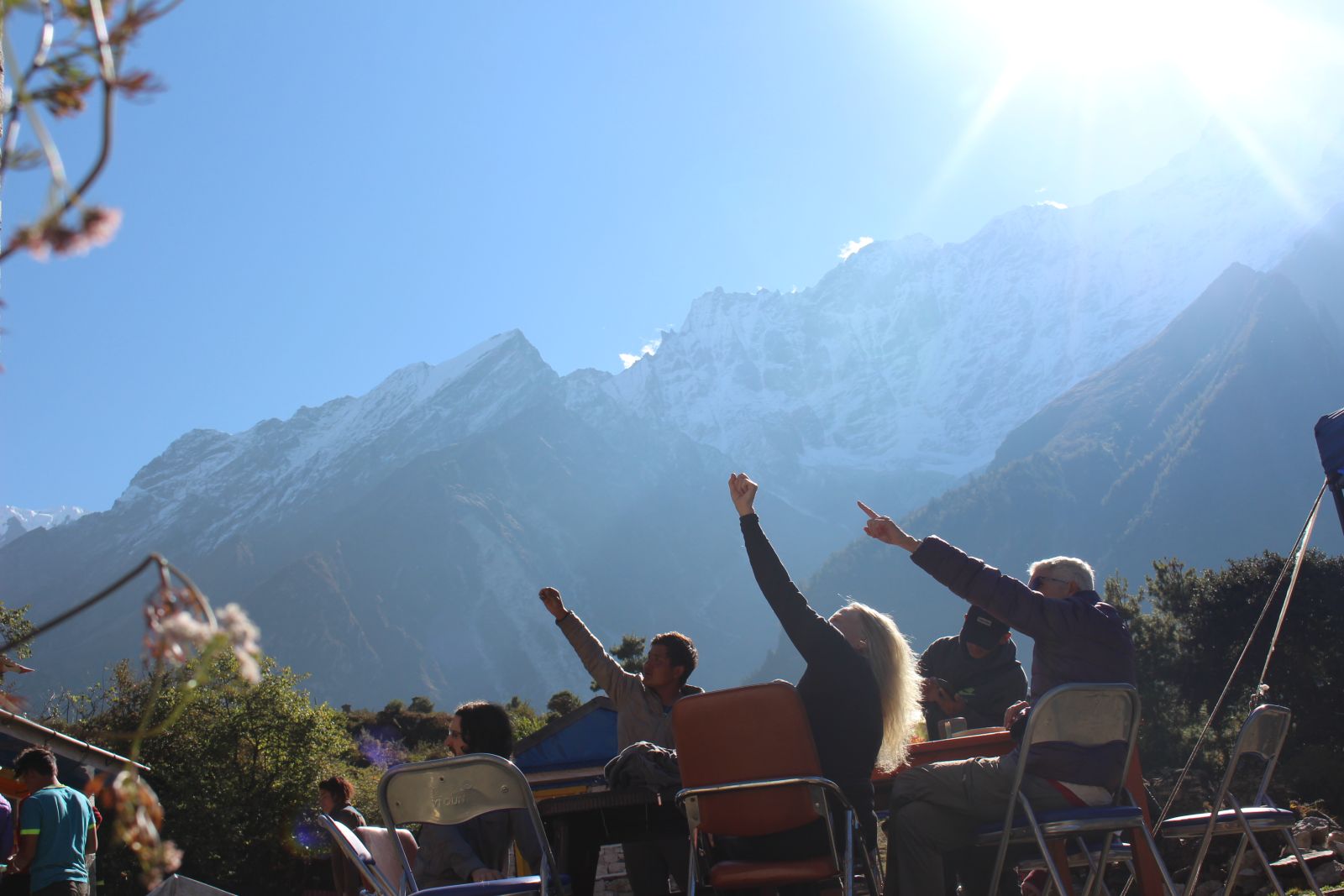
Pay close attention to your body's signals and listen to what it's telling you. If you experience symptoms of altitude sickness, such as headaches, dizziness, nausea, or fatigue, it's important to take them seriously. Inform your trekking guide or fellow trekkers about your condition and follow their advice. It's better to descend to a lower altitude if necessary to ensure your safety and well-being.
6. Medication and Supplements
Consult with a healthcare professional or travel medicine specialist before your trek to discuss the possibility of taking medication or supplements to prevent altitude sickness. Acetazolamide (Diamox) is a commonly prescribed medication that helps in acclimatization. However, it should only be taken under medical supervision and guidance.

7. Proper Clothing and Protection
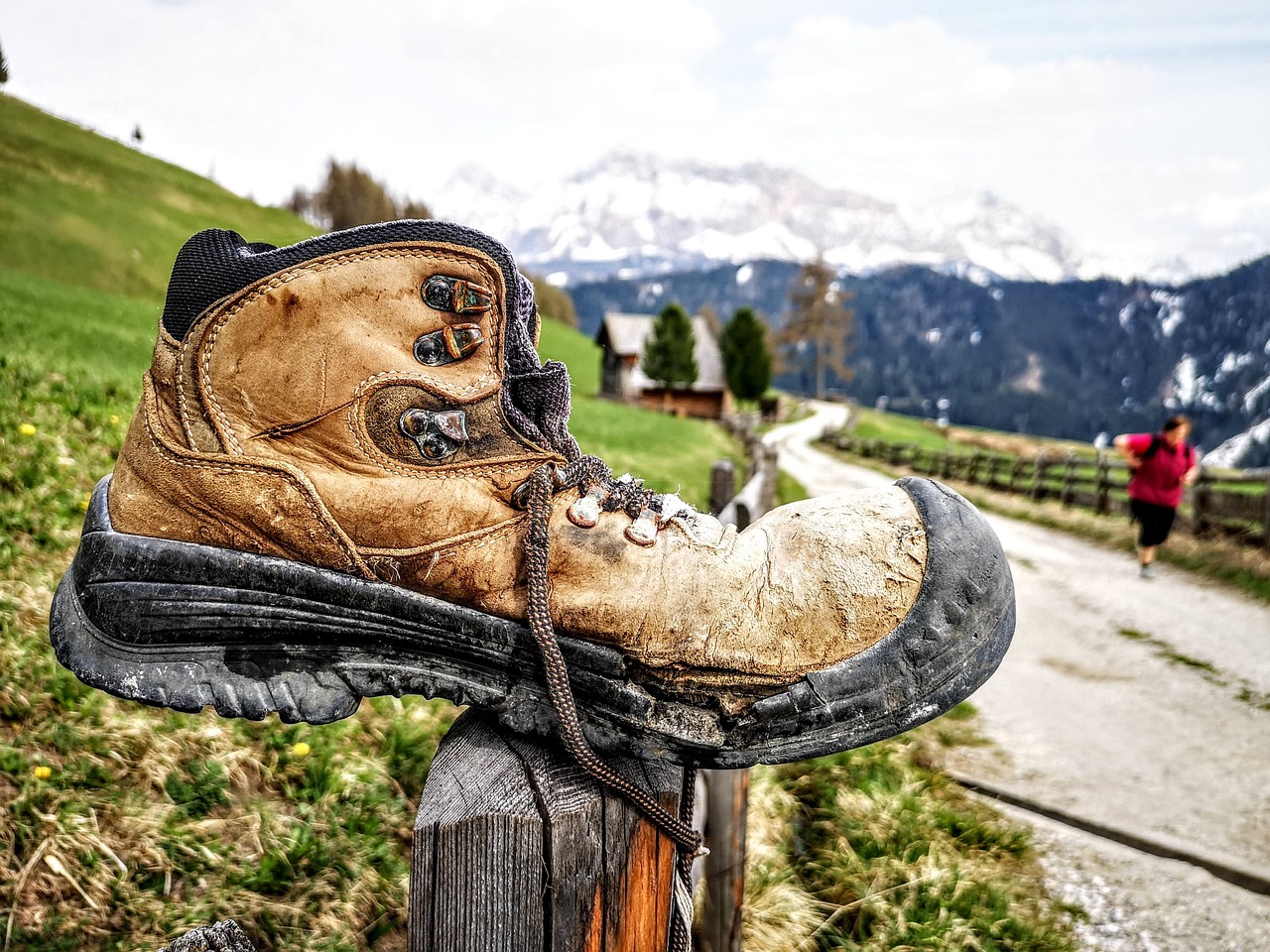
Dress appropriately for the trek, considering the varying weather conditions and temperatures at different altitudes. Layer your clothing to easily adjust to changing temperatures. Protect yourself from the sun by wearing a wide-brimmed hat, sunglasses, and sunscreen with a high SPF. Protect your extremities with warm socks, gloves, and sturdy trekking boots.
Conclusion
Acclimatization is a critical aspect of trekking in high-altitude regions like the Tsum Valley. By following these tips and allowing your body sufficient time to adjust, you can minimize the risks associated with altitude sickness and enjoy a safe and memorable trekking experience. Remember, your health and safety should always be a top priority. So, take it slow, stay hydrated, listen to your body, and make the most of your Tsum Valley adventure while ensuring a successful acclimatization process.
(Note: This blog post is meant for informational purposes only and should not be considered medical advice. It's always recommended to consult with a healthcare professional before undertaking any high-altitude trek.)
Address
House no: 70 / 16, Ga, Sainik Awaas Marga, Bijeswori-15
Kathmandu, Nepal

